Vinyl Window Cost: What the Price Actually Buys
Break down vinyl window cost by insert vs full-frame, labor, removal, and trim, plus how it compares to fiberglass and wood.
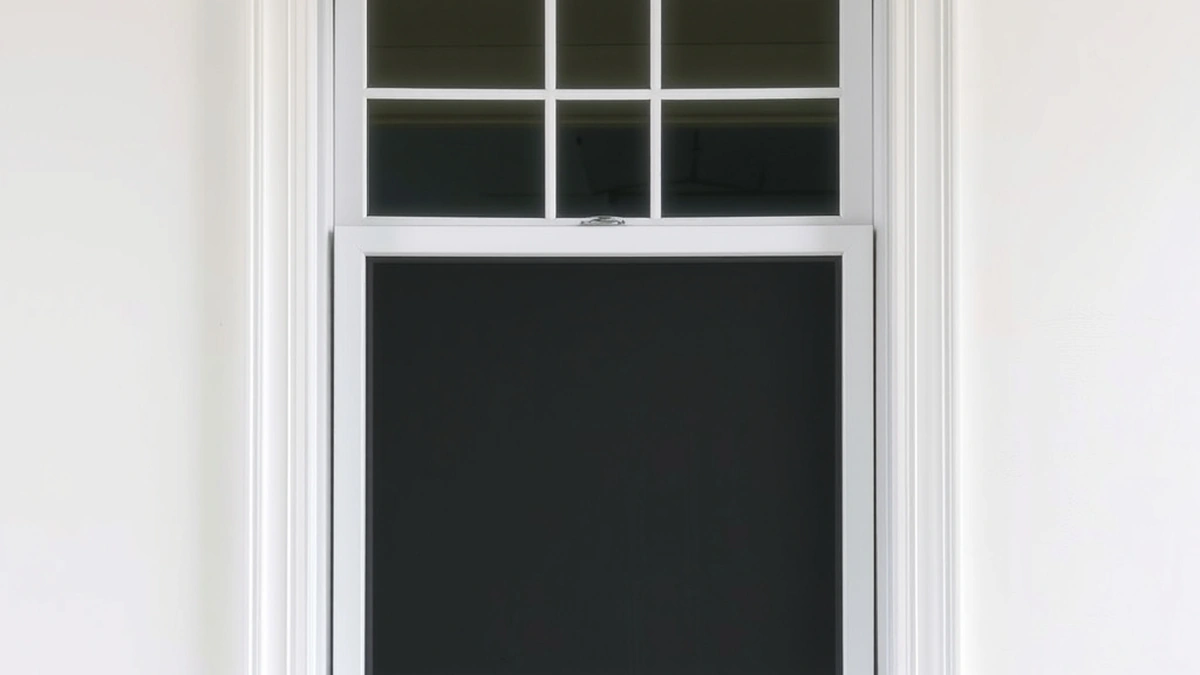
Vinyl window cost runs $350–$800 per insert unit and $550–$1,100 per full-frame replacement, excluding labor, removal, and trim.
- Insert unit (double hung)
- $350–$800
- Full-frame replacement
- $550–$1,100
- Labor, removal, trim
- Priced separately
- Fiberglass installed
- $600–$1,200
- Wood or composite installed
- $900–$1,800
Some links on this page are affiliate links.If you buy through them we may earn a commission at no extra cost to you. We do not accept payment for rankings. Read the full disclosure.
Vinyl window cost depends on whether you need an insert or a full-frame replacement. A vinyl double-hung insert typically costs $350 to $800 per unit, while a full-frame replacement runs $550 to $1,100 per window. Those figures cover the window only; labor, removal, and trim are priced separately after the frame is inspected.
What the Unit Price Actually Covers
When you see a price for a vinyl window, it usually refers to the manufactured unit itself. That includes the vinyl frame, insulated glass, hardware, and factory weatherstripping. It does not include measuring, old-window removal, disposal, insulation around the rough opening, interior casing, exterior trim, or finish work.
An insert window slides into the existing frame, so the unit does most of the work. A full-frame replacement requires stripping the old frame down to the rough opening, which is why the unit price is higher and the labor is more extensive. Because Window Replacement Lab prices unit, labor, removal, and trim separately, the final invoice reflects what your specific opening needs rather than a flat package price.
Insert vs Full-Frame: The Decision Comes After Inspection
Insert replacement works when the existing frame is square, level, and free of rot. The new vinyl unit fits inside the old frame, preserving the interior and exterior trim. A standard vinyl double-hung insert costs $350 to $800 per unit.
Full-frame replacement is required when the frame is damaged, out of square, or when you want to change the window size or style. The installer removes the old frame, sill, and jambs, then installs a new unit with new flashing and insulation. Full-frame vinyl replacement costs $550 to $1,100 per window.
The choice is not made over the phone or from a photo. A technician inspects the frame first and then recommends insert or full-frame. Until that inspection happens, any single dollar figure is only a planning band, not a quote.
Labor, Removal, and Trim Are Line Items
Window Replacement Lab separates labor, removal, and trim from the unit price because these costs vary by house. Labor covers installation, sealing, and testing. Removal covers taking out the old window and hauling debris away. Trim covers interior casing, exterior wrapping, or stool and apron work.
Here is an example of how the pieces add up for one opening:
- Vinyl double-hung insert unit: $350 to $800
- Estimated labor: $150 to $400
- Estimated removal and disposal: $50 to $150
- Estimated trim: $75 to $250
Total planning range for one insert installation: approximately $625 to $1,600. For a full-frame job, add more labor time because the old frame must come out. These are estimates, not quotes, and the actual numbers depend on local rates and the condition of the opening.
How Vinyl Compares to Other Materials
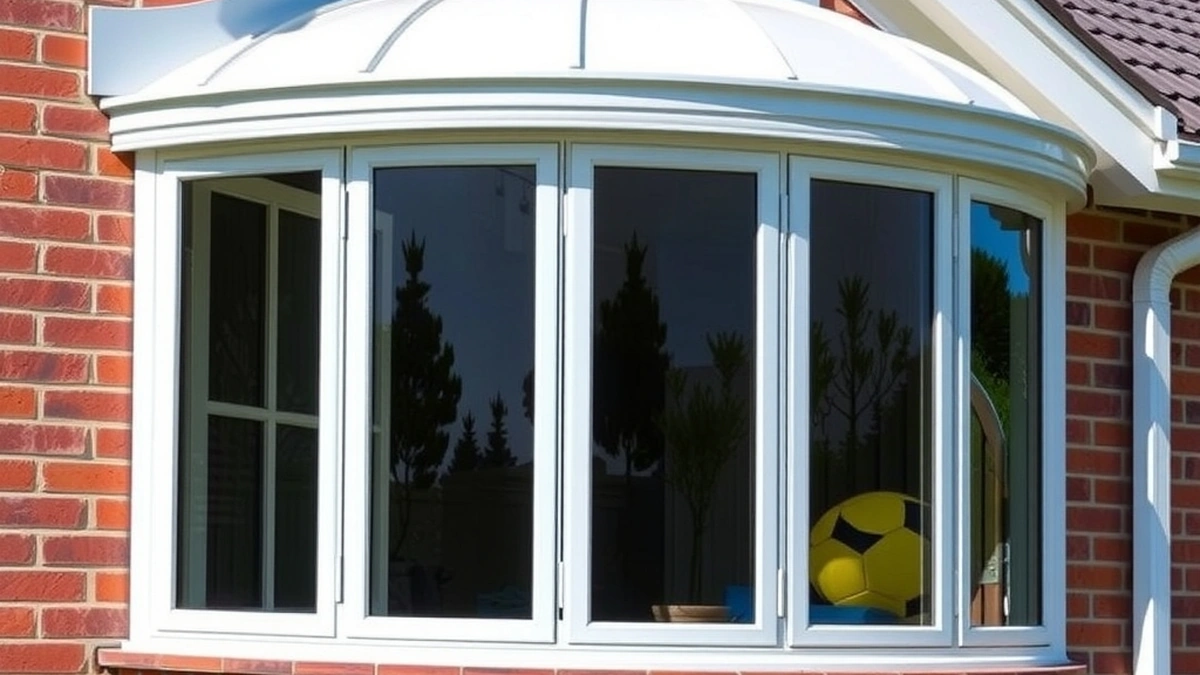
Vinyl sits at the lower end of the installed cost spectrum, which is why it is common in replacement projects. Fiberglass windows cost about $600 to $1,200 installed. Wood or composite windows cost roughly $900 to $1,800 installed. Specialty configurations cost more: bay or bow windows run $1,500 to $5,000, and impact or hurricane-rated windows cost $1,200 to $2,600.
If you only need glass replaced, a glass pane or insulated glass unit costs $150 to $450. A replacement screen costs $100 to $350. These repairs can extend the life of an existing vinyl window without paying for a full unit.
Vinyl does not require painting and resists moisture, but it expands and contracts more than fiberglass or wood. In very hot climates, that movement can affect seal longevity over time. Energy performance depends on the glass package and frame construction, so check NFRC ratings for U-factor and solar heat gain coefficient when comparing units.
Style and Size Move the Price
A standard double-hung is usually the most affordable vinyl style. Casement and sliding windows often cost more because of their hardware and operating mechanisms. Picture windows cost less than operable windows of the same size because they have no moving parts, but large picture windows require thicker glass and stronger frames.
Size matters in a direct way. A 30-inch by 54-inch double-hung uses less vinyl and glass than a 48-inch by 72-inch unit. If you are comparing estimates, make sure the unit size and style match. A price for a small insert cannot be compared to a price for a large full-frame casement.
Specialty shapes, such as arches or circles, cost more than rectangles because they are not standard stock sizes. Grilles between the glass, laminated glass, and triple-pane units also add to the unit price.
Where Vinyl Makes Sense
Vinyl is a practical choice when the goal is to replace drafty or broken windows without paying for premium materials. It performs well in moderate climates and works with most residential architectures. If you live in a hurricane-prone region, impact-rated vinyl windows are available, though they cost $1,200 to $2,600 per window because of reinforced frames and laminated glass.
For historic homes or high-end renovations, wood or composite may be worth the extra $900 to $1,800 per installed window for appearance and longevity. For a balance of strength and low maintenance, fiberglass at $600 to $1,200 installed is a middle option. Vinyl remains the most budget-conscious path for standard replacement.
Before signing anything, confirm that the estimate separates the unit, labor, removal, and trim. Ask whether the proposal is for insert or full-frame, and make sure the frame inspection has already happened. A planning band helps you set a budget, but only an itemized quote based on an inspected opening tells you what the job will actually cost.
For more on how replacement pricing breaks down by project type, see our overview of window replacement cost. To compare prices by operating style, visit window replacement cost by style. If you are considering a large projection unit, read about bay window cost.
Frequently asked questions
What does vinyl window cost include?
The unit price covers the window only. Labor, old-window removal, and interior or exterior trim are priced separately after an on-site inspection.
How much is an insert vinyl window?
A standard vinyl double-hung insert typically ranges from $350 to $800 per unit, before labor and trim work.
How much is full-frame vinyl replacement?
Full-frame replacement usually runs $550 to $1,100 per window because it includes new framing and more labor.
Is vinyl cheaper than fiberglass?
Yes. Installed fiberglass windows cost about $600 to $1,200, while vinyl inserts start lower at $350 to $800 per unit.
Is vinyl cheaper than wood?
Yes. Wood or composite installed windows cost roughly $900 to $1,800, well above most vinyl options.
Who decides insert vs full-frame?
The installer decides after inspecting the existing frame. An insert fits inside the current frame; full-frame replaces it entirely.
Sources
Some links are affiliate links.If you buy through them we may earn a commission at no extra cost to you. We do not accept payment for rankings. Read the full disclosure.