Vinyl vs Fiberglass Windows: Cost and Performance Comparison
Compare vinyl and fiberglass replacement windows by price, durability, and energy performance to choose the right frame material.
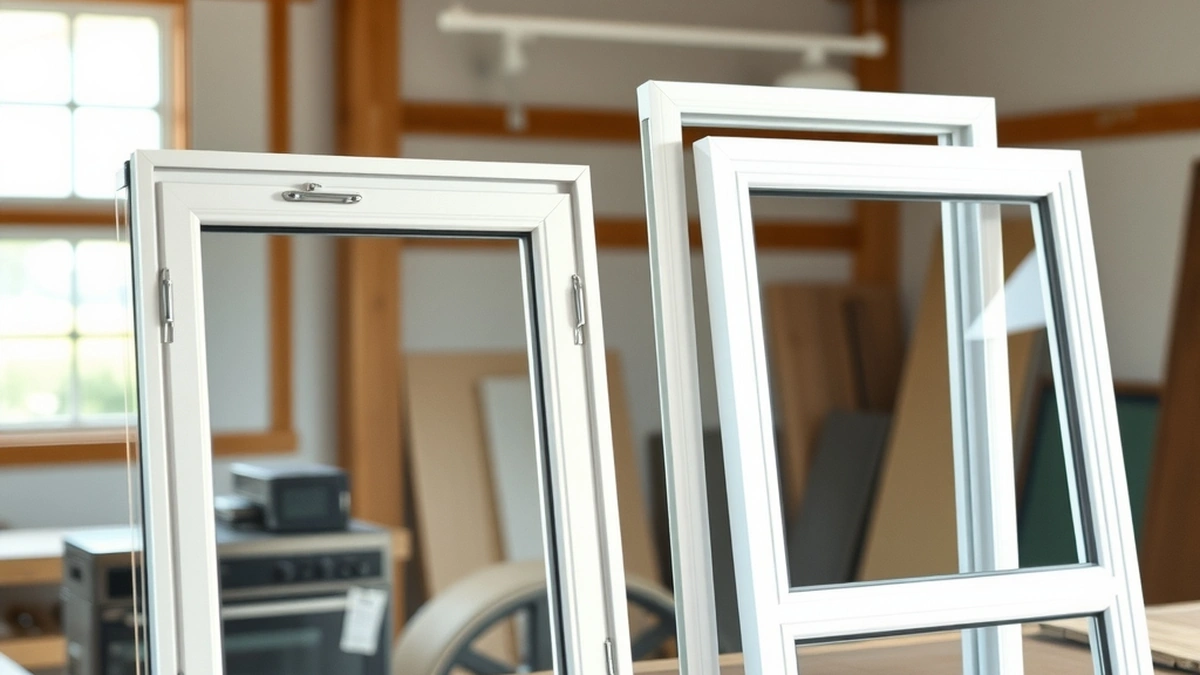
Fiberglass costs more upfront than vinyl but offers greater strength and less expansion; vinyl remains the lower-cost option for most standard replacements.
- Typical vinyl double-hung insert
- $350–$800 installed
- Typical fiberglass window installed
- $600–$1,200
- Full-frame replacement
- $550–$1,100
- Best for tight budgets
- Vinyl
- Best for narrow frames and rigidity
- Fiberglass
Some links on this page are affiliate links.If you buy through them we may earn a commission at no extra cost to you. We do not accept payment for rankings. Read the full disclosure.
Vinyl and fiberglass are two of the most common frame materials for replacement windows. Vinyl usually costs less and requires little upkeep, while fiberglass offers greater rigidity and less thermal movement. The right choice depends on your budget, window size, and whether you need an insert or full-frame replacement.
How Vinyl and Fiberglass Differ
Vinyl frames are made from extruded PVC, often with hollow chambers that can be filled with insulation. Fiberglass frames are made from glass fibers reinforced in a resin matrix, which makes them stronger and more dimensionally stable than vinyl.
Fiberglass expands and contracts at a rate closer to glass, which can reduce stress on seals over time. Vinyl expands and contracts more with temperature changes, which is a consideration for large or dark-colored units. Both materials resist rot and do not require painting, though fiberglass can typically be painted if you want to change the color later.
Price Comparison
Window replacement is priced as unit, labor, removal, and trim separately. Insert versus full-frame replacement is decided after the frame is inspected. The figures below are planning bands, not quotes.
A standard vinyl double-hung insert typically runs $350–$800 installed. A full-frame replacement typically runs $550–$1,100. Fiberglass windows typically run $600–$1,200 installed.
For example, if you are replacing four double-hung windows:
- Vinyl inserts: 4 × $350 = $1,400 at the low end, or 4 × $800 = $3,200 at the high end.
- Fiberglass: 4 × $600 = $2,400 at the low end, or 4 × $1,200 = $4,800 at the high end.
That difference can be $1,000–$1,600 or more on a small whole-house job before removal, disposal, and trim work are added.
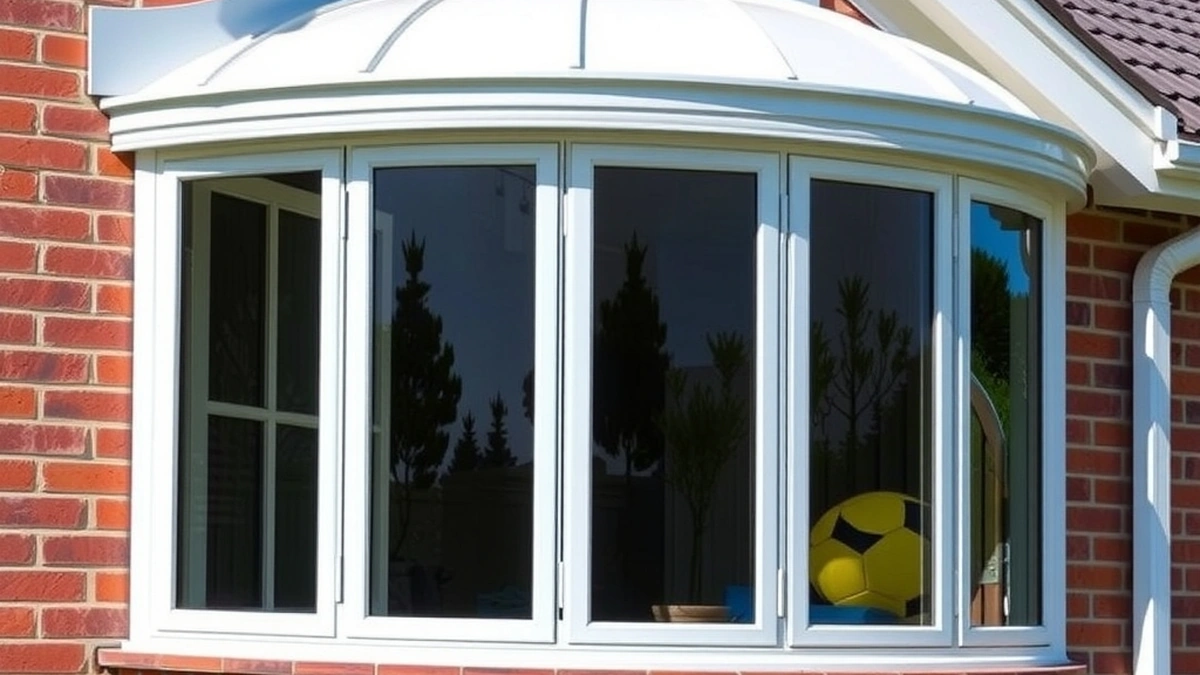
Other styles carry different bands. Wood or composite windows typically run $900–$1,800 installed. Bay or bow windows typically run $1,500–$5,000. Impact or hurricane windows typically run $1,200–$2,600. If you only need glass work, a glass pane or IGU replacement typically runs $150–$450, and a window screen replacement typically runs $100–$350.
Durability and Movement
Fiberglass is stiffer than vinyl. That stiffness matters for large openings or tall casement windows where frame flex can affect hardware alignment and weatherstripping contact. A fiberglass frame can support larger glass areas with narrower sightlines than vinyl in some cases.
Vinyl is more flexible, which helps it resist denting from minor impacts, but greater thermal expansion can create gaps between the frame and the rough opening over many years. Proper installation with appropriate fasteners and sealant helps manage movement in either material.
Neither material rots or needs regular painting. Vinyl cannot typically be painted successfully, while fiberglass can usually be painted if the manufacturer’s instructions allow it.
Energy Performance
Frame material is only one part of window efficiency. Glass package, low-emissivity coatings, gas fill, spacer type, and installation quality all affect U-factor and solar heat gain coefficient. Both vinyl and fiberglass can meet ENERGY STAR criteria when paired with the right glass.
Because fiberglass conducts less heat than aluminum and expands at a rate closer to glass, it can help maintain seal integrity in extreme climates. Vinyl’s hollow chambers also provide good insulation when filled or designed with multiple walls. Actual ratings should be checked on the NFRC label for each specific unit rather than assumed from frame material alone.
When to Choose Vinyl
Vinyl is the practical choice for most standard replacement projects where budget is the primary concern. It works well for typical double-hung, sliding, and picture windows in average-sized openings. If your existing frames are in good condition, vinyl inserts can often be installed without disturbing interior or exterior trim.
You can explore more about replacement window frames in our general guide to frame materials, and see how pricing varies by project in our window replacement cost overview.
When to Choose Fiberglass
Fiberglass is worth considering if you have large openings, want narrower frames, or need a paintable finish. It performs well in climates with wide temperature swings because its expansion rate closely matches glass. It is also a strong option for casement and awning windows where hardware loads are higher.
If you are looking at specific styles, our casement window cost page covers operating hardware and frame considerations, while our black windows replacement page discusses color and finish options that may apply to fiberglass.
Insert vs Full-Frame
An insert replacement fits inside the existing frame and leaves the interior and exterior trim mostly intact. It is usually faster and less expensive, but it reduces the visible glass area slightly and depends on the old frame being level, square, and rot-free.
A full-frame replacement removes the window down to the rough opening. It allows for new flashing, sill pan installation, and correction of rotted or out-of-square openings. It costs more and involves more trim work, but it is the right choice when the existing frame cannot support a new unit.
The decision is made after the frame is inspected. Never assume an insert will work until a professional confirms the existing frame is sound.
Maintenance and Lifespan
Vinyl and fiberglass both require minimal maintenance. Clean the frames with mild soap and water, keep weep holes clear, and inspect weatherstripping and caulk joints annually. Lubricate hardware as needed.
Because neither material is painted at the factory in the same way as wood, there is no finish to peel. Fiberglass can be refinished if desired, while vinyl generally cannot. Actual service life depends on installation quality, exposure, and maintenance rather than frame material alone.
Bottom Line
Choose vinyl if you want the lowest installed cost for standard openings and minimal upkeep. Choose fiberglass if you need greater rigidity, narrower frames, a paintable surface, or better dimensional stability in extreme temperatures. Always confirm insert versus full-frame pricing after an inspection, and treat all price ranges as planning estimates, not quotes.
For style-specific pricing, see our bay window cost and bow window cost pages if you are considering projected window units.
Next, compare replacement window frames, black windows replacement, window replacement cost before you commit.
Frequently asked questions
Which is cheaper, vinyl or fiberglass?
Vinyl is generally less expensive. A standard vinyl double-hung insert typically runs $350–$800 installed, while fiberglass windows typically run $600–$1,200 installed.
Does fiberglass last longer than vinyl?
Fiberglass is more rigid and resists expansion and contraction better than vinyl, which can help maintain seals over time, though actual lifespan depends on installation and local conditions.
Can I install fiberglass as an insert?
Yes, fiberglass can be installed as an insert or full-frame replacement, but the right method depends on the condition of the existing frame after inspection.
Are fiberglass windows more energy efficient?
Fiberglass frames conduct less heat than aluminum and can perform comparably to vinyl; actual efficiency depends on glass package, glazing, and installation quality.
Can fiberglass be painted?
Yes, fiberglass can typically be painted, while vinyl usually cannot be painted successfully because paint does not adhere well to its surface.
How do I choose between insert and full-frame?
The decision is made after the existing frame is inspected. If the frame is sound, an insert may work; if it is rotted or out of square, full-frame replacement is usually needed.
Sources
Some links are affiliate links.If you buy through them we may earn a commission at no extra cost to you. We do not accept payment for rankings. Read the full disclosure.