Triple Pane Window Cost: Does It Pay Back?
Compare triple-pane window prices, installation factors, and long-term energy savings to decide if the upgrade is worth it.
Triple-pane windows typically cost more upfront than double-pane units, but lower heating and cooling bills can offset part of the price over time depending on your climate and how long you stay in the home.
- Typical installed range per window
- $600–$1,800+
- Insert replacement (vinyl double hung)
- $350–$800
- Full-frame replacement
- $550–$1,100
- Payback period
- 10–25 years (estimate)
Some links on this page are affiliate links.If you buy through them we may earn a commission at no extra cost to you. We do not accept payment for rankings. Read the full disclosure.
Triple-pane windows cost more than double-pane windows, and whether that extra money pays back depends on your climate, energy prices, and how long you plan to stay in the home. Installed prices typically run from about $600 to $1,800 or more per window, though the final number is set only after a contractor inspects the existing frame and chooses insert or full-frame replacement. This guide breaks down the cost drivers, shows sample arithmetic, and explains when the upgrade makes financial sense.
What Goes Into Triple Pane Window Cost
Window replacement is priced as separate line items: the unit, labour, removal, and trim. You should not treat a planning band as a quote. A triple-pane unit contains three layers of glass with insulating gas between them, which adds material weight and manufacturing cost compared with double-pane glass.
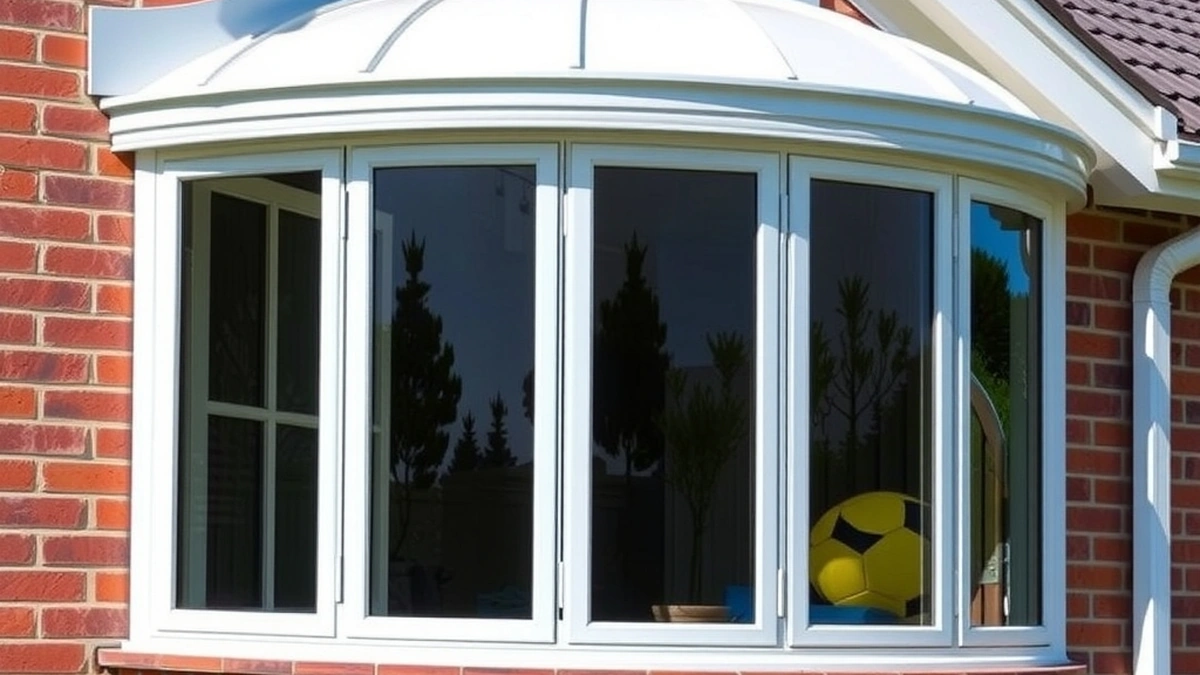
Frame material moves the price significantly. A vinyl double-hung insert replacement often falls in the $350–$800 range, while a full-frame replacement is commonly $550–$1,100. Fiberglass installed windows typically run $600–$1,200, and wood or composite installed windows usually land between $900 and $1,800. Specialty configurations cost more: bay or bow windows often run $1,500–$5,000, and impact or hurricane-rated windows can be $1,200–$2,600.
Labour varies by region and by whether the installer must repair rot, square the opening, or refinish interior trim. Removal and disposal of the old sash is usually a separate charge, and trim work is priced separately as well. Because insert versus full-frame is decided after the frame is inspected, the same window model can end up with very different final prices on two houses next door to each other.
Sample Cost Arithmetic
Here is how a homeowner might build a rough budget for ten windows. These figures are estimates, not quotes.
- Unit cost estimate: $700 per triple-pane window × 10 windows = $7,000
- Labour estimate: $150 per window × 10 windows = $1,500
- Removal and disposal estimate: $50 per window × 10 windows = $500
- Trim and finishing estimate: $75 per window × 10 windows = $750
Total estimated project cost: $7,000 + $1,500 + $500 + $750 = $9,750
If the same job required full-frame replacement because the existing frames were deteriorated, the unit portion alone could rise toward the $900–$1,800 range for wood or composite, pushing the project total well above $12,000 before labour and trim. That spread is why an on-site inspection matters before any number is treated as firm.
How Triple Pane Affects Energy Bills
Triple-pane windows reduce heat transfer through the glass, which can lower heating and cooling loads. The actual savings depend on your climate zone, the U-factor of the specific unit, your heating fuel, and local utility rates. The National Fenestration Rating Council provides U-factor and solar heat gain coefficient ratings that let you compare products objectively, while ENERGY STAR and the U.S. Department of Energy offer climate-zone guidance for window selection.
To illustrate the payback math, suppose a homeowner spends $4,000 more to install triple-pane windows instead of double-pane across a whole house. If the upgrade saves an estimated $160 per year in heating and cooling costs, the simple payback period is:
$4,000 ÷ $160 per year = 25 years
If the same upgrade saves $400 per year because the home is in a colder climate with expensive heating fuel, the payback shortens to:
$4,000 ÷ $400 per year = 10 years
These are illustrative examples. Your actual savings may be higher or lower, and you should not assume a specific return without an energy audit or contractor estimate.
Comfort and Noise Benefits
Beyond energy savings, triple-pane windows often improve comfort near the glass in winter because the interior pane stays closer to room temperature. The extra glass layer and gas fill can also reduce outside noise transmission compared with standard double-pane units. If you live near a busy street or airport, that acoustic benefit may be worth part of the price premium even when the energy payback is slow.
However, comfort and noise improvements are subjective and hard to price. They should be treated as secondary benefits, not guaranteed financial returns.
When Triple Pane Makes Sense
Triple-pane windows are most likely to pay back in cold climates where heating dominates energy use, in homes with high electricity or fuel costs, and when the homeowner plans to remain in the house for 15 to 25 years or longer. In mild climates, or if you expect to move within five to ten years, the higher upfront cost may never be recovered through utility savings alone.
If your existing frames are sound, an insert replacement can limit labour and trim costs. If the frames are rotted, out of square, or poorly flashed, full-frame replacement is the correct choice even though it costs more. You can explore style-specific pricing at our pages on double-hung window cost, casement window cost, sliding window cost, and picture window cost. For larger openings, see bay window cost and bow window cost.
Alternatives to Full Triple-Pane Replacement
If the budget does not support triple-pane windows throughout the house, consider installing them only in the coldest or noisiest rooms, such as north-facing bedrooms or living areas facing a busy road. Double-pane low-E units with argon gas often deliver most of the energy benefit at a lower price point.
If the frames are in good condition but the glass is foggy or damaged, glass pane or IGU replacement typically costs $150–$450 per window. Window screen replacement usually runs $100–$350. These targeted repairs can extend the life of existing windows without the cost of full triple-pane replacement.
Bottom Line
Triple-pane windows generally cost more upfront than double-pane options, with installed estimates often ranging from $600 to $1,800 or more per window depending on material, style, and installation method. The extra cost can pay back through lower heating and cooling bills, but the timeline varies widely—often ten to twenty-five years—and is never guaranteed. Have the frame inspected first, decide between insert and full-frame based on condition, and treat any price range as a planning estimate rather than a quote.
Next, compare window replacement cost, window replacement cost by style, bay window cost before you commit.
Frequently asked questions
What is the average triple pane window cost?
Installed triple-pane windows commonly run from about $600 to $1,800 or more per unit, depending on frame material, size, style, and whether you choose insert or full-frame replacement.
Is triple pane worth the extra cost?
It can be worth it in cold climates or noisy areas if you plan to stay long enough to recover the higher upfront price through lower energy bills.
How much more does triple pane cost than double pane?
Expect a premium of roughly 10–25 percent over comparable double-pane units, though exact pricing depends on the frame material and installer rates.
Should I choose insert or full-frame replacement?
That decision is made after the existing frame is inspected; insert works when the frame is sound, while full-frame is needed if the frame is rotted or out of square.
Do triple-pane windows reduce outside noise?
Yes, the extra glass layer and insulating gas gap generally reduce sound transmission better than standard double-pane units.
Can I replace just the glass in an existing window?
Glass pane or IGU replacement typically costs $150–$450, but it only makes sense if the frame and hardware are still in good condition.
Sources
Some links are affiliate links.If you buy through them we may earn a commission at no extra cost to you. We do not accept payment for rankings. Read the full disclosure.