Double Pane Window Cost: 2026 Price Guide
What a double pane window costs in 2026, including vinyl, fiberglass, wood, and installation factors.
A standard vinyl double-pane window typically costs $350 to $800 installed as an insert, while full-frame replacement averages $550 to $1,100 per window.
- Vinyl double-hung insert
- $350–$800
- Full-frame replacement
- $550–$1,100
- Fiberglass installed
- $600–$1,200
- Wood or composite installed
- $900–$1,800
Some links on this page are affiliate links.If you buy through them we may earn a commission at no extra cost to you. We do not accept payment for rankings. Read the full disclosure.
A standard double-pane window costs between $350 and $800 installed as a vinyl insert replacement. Full-frame replacement typically runs $550 to $1,100 per window. These are planning bands, not quotes, because final pricing depends on an on-site frame inspection.
What a Double-Pane Window Is
A double-pane window, also called an insulated glass unit, uses two panes of glass separated by a spacer and sealed air or gas fill. The gap between the panes slows heat transfer compared with single-pane glass, which helps reduce heating and cooling loads. Double-pane units are the baseline for most residential replacement projects today.
The glass itself is only one part of the price. Window replacement is priced as unit, labor, removal, and trim separately. Whether a homeowner receives an insert or full-frame installation is decided after the existing frame is inspected. A sound, square frame may support an insert. A rotted, warped, or out-of-square frame usually requires full-frame replacement.
Typical Price Bands by Material
The following estimates cover supply and installation for a standard-size double-pane window. They are planning bands, not fixed quotes.
| Window type | Estimated installed cost |
|---|---|
| Vinyl double-hung insert | $350–$800 |
| Full-frame replacement | $550–$1,100 |
| Fiberglass window installed | $600–$1,200 |
| Wood or composite window installed | $900–$1,800 |
| Bay or bow window | $1,500–$5,000 |
| Impact or hurricane window | $1,200–$2,600 |
Vinyl is common because it resists moisture and requires little upkeep. Fiberglass costs more but offers greater strength and less expansion and contraction with temperature changes. Wood and composite frames sit at the top of the residential range and usually require more maintenance or finishing labor.
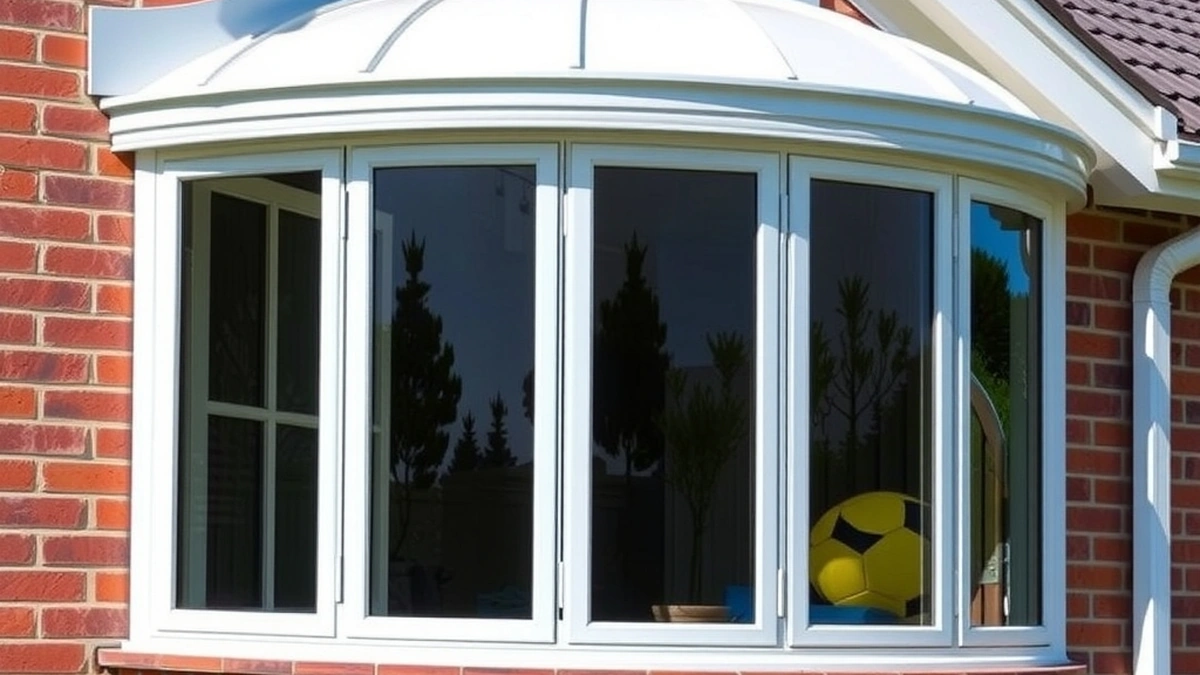
Specialty configurations add cost. A bay or bow window involves multiple units, structural support considerations, and more complex trim work, which is why those projects can reach $1,500 to $5,000. Impact-rated windows use laminated glass and heavier frames to meet storm-code requirements, placing them in the $1,200 to $2,600 range.
How Size and Style Affect Cost
Window size changes material weight and labor time. A typical double-hung unit might measure 24 inches to 36 inches wide by 36 inches to 72 inches high. A larger picture window measuring 60 inches by 60 inches uses more glass and a heavier frame, which increases both the unit price and installation time.
Labor also scales with accessibility. A first-floor window in a ranch-style home takes less time to remove and install than a third-floor window requiring scaffolding or ladder setup. If an old window weighs 45 pounds and the new double-pane unit weighs 60 pounds, the crew must handle a combined 105 pounds of glass and frame during the swap. Upper-floor work adds setup time and safety equipment, which raises labor cost.
Style matters as well. A double-hung window with two operable sashes generally costs more than a fixed picture window of the same size because it includes hardware, balances, and locks. Casement and sliding windows fall in between, depending on hardware and frame construction.
Insert vs. Full-Frame Replacement
Insert replacement keeps the existing interior and exterior trim and installs a new window unit inside the old frame. It is faster and usually less disruptive, which helps explain the lower end of the vinyl insert range at $350 to $800. However, insert installation only works if the existing frame is level, square, and free of rot.
Full-frame replacement removes the entire window down to the rough opening. This allows the installer to inspect the framing, repair water damage, and install new flashing and insulation. Full-frame replacement typically costs $550 to $1,100 per window because it includes more labor, materials, and disposal. The final method is decided after the frame is inspected, not before.
Homeowners sometimes ask whether they can replace only the glass. Glass pane or insulated glass unit replacement costs $150 to $450 per pane. This makes sense when the frame is in good condition but the seal has failed or the glass is broken. If the frame is deteriorating, glass-only replacement is usually a short-term fix.
Additional Costs to Consider
Beyond the window unit, several line items affect the final invoice. Old-window removal and disposal is typically priced separately. Interior and exterior trim, casing, and paint or stain are also separate line items. If the rough opening needs resizing or structural framing, that is additional carpentry work.
A simple arithmetic example helps illustrate how the pieces add up. Assume a vinyl double-hung insert costs $550 for the unit. Labor runs $150. Removal and disposal add $50. Trim and paint add $100. The project total is $550 + $150 + $50 + $100 = $850. That falls inside the $350 to $800 planning band for the unit alone, but the all-in cost is higher once labor and finishes are included.
For a full-frame wood window, assume the unit costs $1,350. Labor is $300. Removal is $75. Trim and finishing are $175. The total is $1,350 + $300 + $75 + $175 = $1,900. This exceeds the wood or composite installed band because the example includes premium finishing and assumes a full tear-out.
Window screens are another separate item. Window screen replacement costs $100 to $350 depending on size and mesh type. If a homeowner is replacing several windows, screen costs can add up quickly.
Energy Performance and Long-Term Value
Double-pane windows reduce conductive heat loss through the glass. The U-factor measures how well a window prevents heat from escaping; lower numbers indicate better insulation. The Solar Heat Gain Coefficient measures how much solar radiation passes through; lower numbers block more heat gain. These ratings are certified by the National Fenestration Rating Council and help homeowners compare products objectively.
The Department of Energy notes that heat gain and loss through windows account for a meaningful share of residential heating and cooling energy use. Replacing single-pane windows with double-pane units can reduce that load, though actual savings depend on climate, local energy prices, and how many windows are replaced. Energy performance should be viewed as one factor among comfort, durability, and budget.
Low-emissivity coatings and argon or krypton gas fills improve performance but add to the unit cost. Triple-pane windows cost more than double-pane and are usually reserved for extreme climates or specific noise-reduction needs. For most U.S. homes, double-pane glass offers a practical balance of cost and performance.
Getting an Accurate Price
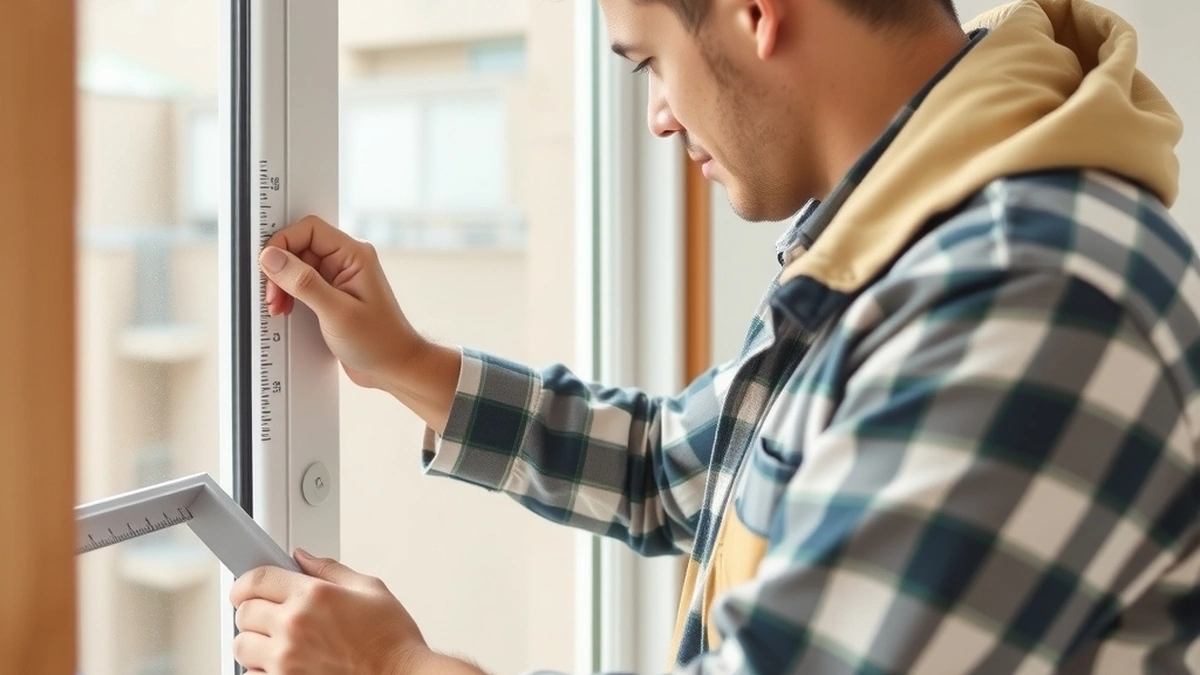
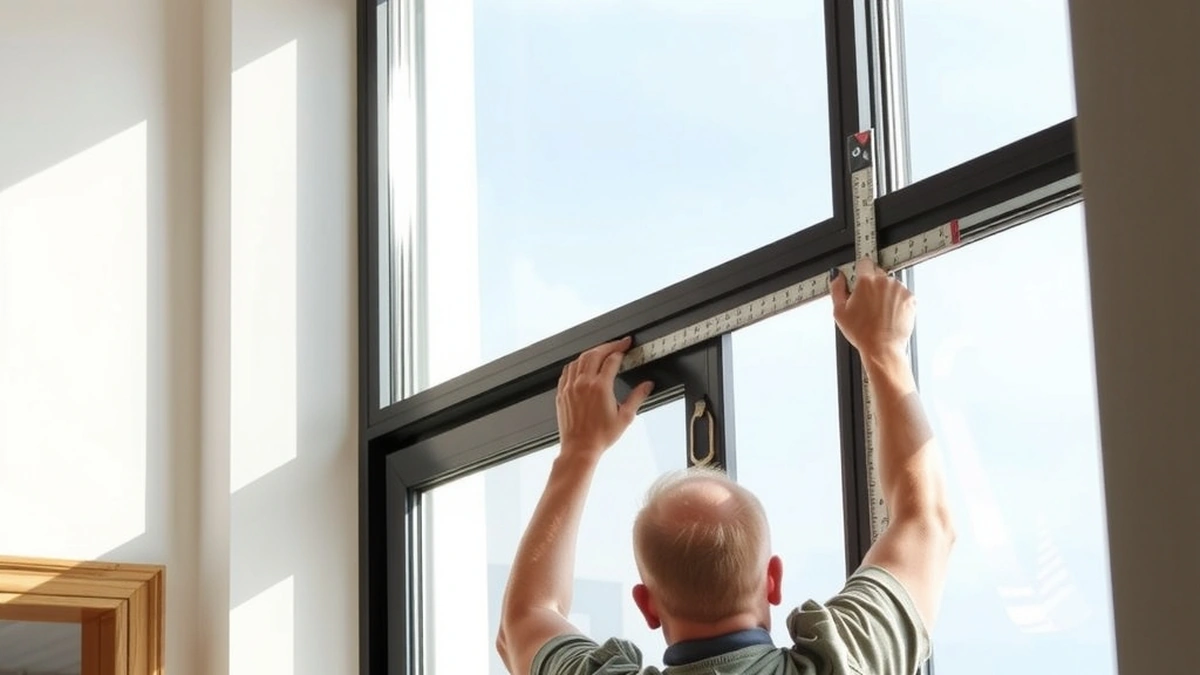
Because insert versus full-frame installation depends on the condition of the existing frame, no responsible contractor should issue a firm price without an inspection. A site visit allows the installer to check for rot, measure the rough opening, confirm sill angle, and assess whether the surrounding trim can be reused.
Homeowners should request an itemized estimate that separates the window unit, labor, removal, and trim. This makes it easier to compare bids and understand where costs sit. If a quote bundles everything into one number, ask for a breakdown before signing.
For style-specific guidance, see our pages on double-hung window cost, casement window cost, and sliding window cost. Larger projects such as bay or bow windows are covered in the bay window cost and bow window cost guides. A broader overview is available in the window replacement cost guide, and style-based pricing is summarized in the window replacement cost by style page.
Double-pane window cost depends on material, size, installation method, and local labor rates. Planning bands provide a starting point, but the final number is set after the frame is inspected and the scope is defined.
Next, compare window replacement cost, window replacement cost by style, bay window cost before you commit.
Frequently asked questions
What is a double-pane window?
A double-pane window has two sheets of glass separated by a spacer and sealed gas fill, creating an insulated glass unit that reduces heat transfer compared with single-pane glass.
How much does one double-pane window cost?
A standard vinyl double-hung insert ranges from $350 to $800 installed, while full-frame replacement typically runs $550 to $1,100 per window before optional trim or finish work.
Is insert installation cheaper than full-frame?
Yes. Insert replacement keeps the existing frame and usually costs less, but it is only viable if the frame is sound after inspection; rotted or out-of-square frames require full-frame replacement.
Does glass-only replacement cost less?
Replacing just the insulated glass unit generally costs $150 to $450 per pane, which can be less than full window replacement when the frame remains in good condition.
Are specialty double-pane windows more expensive?
Yes. Bay or bow windows can run $1,500 to $5,000, and impact-rated hurricane windows typically cost $1,200 to $2,600 because of heavier glass and framing requirements.
What affects the final price?
Frame material, window size, glass options, labor, old-window removal, trim, and whether the project uses insert or full-frame installation all move the total up or down.
Sources
Some links are affiliate links.If you buy through them we may earn a commission at no extra cost to you. We do not accept payment for rankings. Read the full disclosure.